The integration of advanced technology into residential architecture has transitioned from a futuristic novelty to a fundamental driver of real estate equity. Modern homeowners and savvy investors are increasingly recognizing that the “intelligence” of a building is just as critical as its physical location or square footage. When we talk about intelligent automation, we are referring to a holistic ecosystem where hardware and software work in harmony to enhance security, efficiency, and comfort. This digital layer acts as a silent steward, optimizing every aspect of the living environment while simultaneously reducing long-term operational costs.
In the competitive luxury market, properties lacking these sophisticated systems are often viewed as obsolete, leading to longer times on the market and lower closing prices. Conversely, a home equipped with a seamlessly integrated automation backbone creates an immediate emotional and financial appeal for high-net-worth buyers. This technological evolution is not just about convenience; it is a strategic architectural choice that safeguards the future value of a property against changing lifestyle demands. As we move deeper into an era of hyper-connectivity, the homes that command the highest premiums will be those that offer a proactive, responsive, and secure living experience. This comprehensive guide will analyze how specific categories of automation contribute to property valuation and how to implement them for maximum impact.
The Foundation of Smart Infrastructure and Connectivity
Before adding visible gadgets, a property must have a robust and scalable digital foundation that supports high-speed data transfer across all rooms. A home is only as smart as its network, and a weak backbone will significantly hinder the performance of every other system.
Enterprise-Grade Managed Wi-Fi Networks
Professional-grade access points ensure that there are no “dead zones” within the property, which is a major selling point for modern remote workers. A seamless handoff between routers as a user moves through the house is essential for maintaining a premium experience.
Structured Category 6A or Fiber Cabling
Wired connections remain superior to wireless for high-bandwidth devices like 4K security cameras and home theater systems. Including hidden data ports in every room increases the versatility of the space for future buyers.
Centralized Smart Home Hubs and Servers
A dedicated rack room or localized hub allows for the central management of all automation protocols. This organization makes maintenance easier and presents a professional, high-end image to potential inspectors and buyers.
Energy Efficiency Through Climate and Lighting Control
Sustainability is a massive trend in real estate, and intelligent automation is the most effective way to lower a building’s carbon footprint. Intelligent systems ensure that energy is never wasted on empty rooms or inefficient cycles.
Dynamic HVAC Zoning and Learning Thermostats
Modern systems can adjust temperatures based on occupancy sensors and the time of day, significantly reducing utility bills. Being able to show a history of low energy consumption is a powerful tool during property appraisals.
Automated Shading and Solar Harvesting
Motorized blinds that react to the sun’s position can prevent solar heat gain in the summer and retain warmth in the winter. This architectural integration protects expensive interior finishes from UV damage while optimizing natural light.
Circadian Rhythm Lighting Design
Programmable LED systems that mimic the natural cycle of sunlight improve the well-being and productivity of the inhabitants. This type of “human-centric” lighting is a hallmark of luxury design that adds unique market appeal.
Advanced Security and Predictive Surveillance
Security remains the top priority for premium property buyers, and modern automation has moved far beyond simple alarms. Today’s systems provide a proactive shield that can predict and prevent incidents before they occur.
Biometric Access and Keyless Entry Systems
Replacing traditional locks with fingerprint scanners or encrypted mobile keys provides both superior security and a modern aesthetic. These systems allow homeowners to grant temporary access to staff or guests remotely.
AI-Driven Perimeter Monitoring
Modern cameras can distinguish between a pet, a falling branch, and a human intruder, reducing false alarms. Real-time alerts sent directly to a smartphone provide an invaluable sense of peace of mind.
Integrated Leak Detection and Fire Safety
Smart sensors can automatically shut off the main water valve if a leak is detected, preventing catastrophic property damage. This proactive protection is often rewarded by insurance companies with lower annual premiums.
The Impact of Integrated Home Entertainment
High-end entertainment systems are no longer just about big screens; they are about creating immersive environments that disappear when not in use. This architectural invisibility is highly valued in modern minimalist design.
Multi-Room Distributed Audio Systems
In-ceiling and in-wall speakers allow music to follow a resident throughout the home without the clutter of visible wires. This creates a luxurious atmosphere that is perfect for hosting high-level social gatherings.
Hidden Technology and Motorized Displays
Televisions that descend from the ceiling or mirrors that transform into displays allow the architecture to remain the focus. This versatility makes the property more attractive to buyers who prefer a clean, uncluttered look.
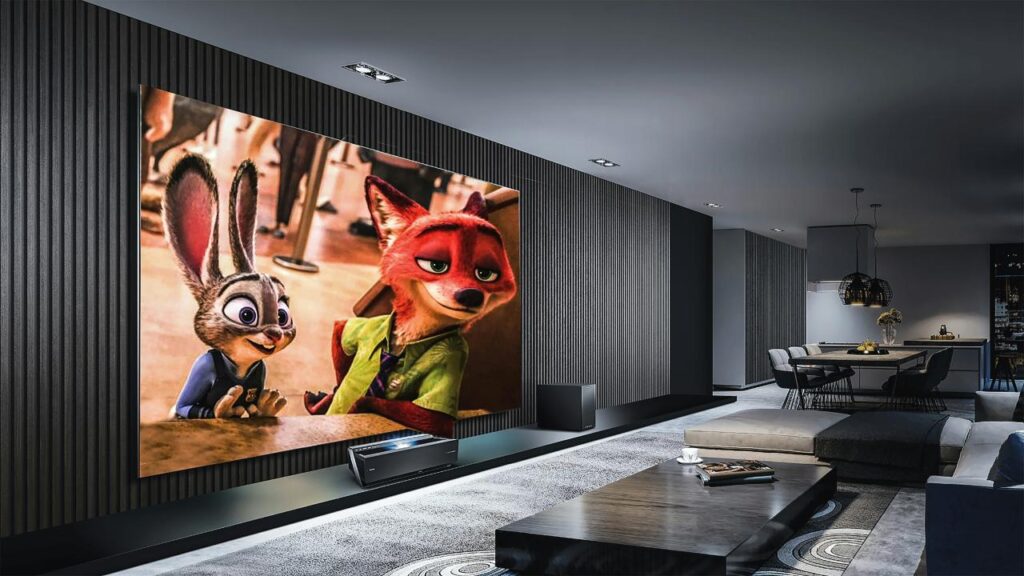
Professional-Grade Private Cinemas
A dedicated theater room with acoustic treatment and 8K projection is a significant luxury asset. When executed correctly, these rooms can add hundreds of thousands of dollars to a property’s market valuation.
Voice Control and Intuitive User Interfaces
The complexity of a smart home should never be visible to the user; it should feel effortless and natural to control. The best automation systems are those that require the least amount of manual input.
Multi-Platform Voice Integration
Compatibility with major voice assistants allows for hands-free control of everything from the lights to the kitchen appliances. This accessibility is particularly appealing to older buyers or those with limited mobility.
Customized Wall Panels and Tactile Controls
Elegant, backlit keypads can replace a messy row of traditional light switches with a single, programmed interface. These panels can be finished in materials like brass, glass, or stone to match the interior design.
Mobile App Control and Remote Management
The ability to monitor and control the home from anywhere in the world is a non-negotiable feature for international travelers. Whether checking security feeds or pre-heating the pool, the home is always within reach.
Intelligent Outdoor and Landscaping Systems
The value of a property extends to its exterior, and automation can turn a standard garden into a self-sustaining oasis. Outdoor technology enhances curb appeal and ensures the longevity of expensive landscaping.
Smart Irrigation with Weather Sensing
Irrigation systems that check local weather reports prevent watering during rain, saving thousands of gallons of water annually. This precision ensures that the lawn and garden stay lush and healthy year-round.
Architectural Landscape Lighting
Automated outdoor lighting highlights the home’s best features at night while improving safety along walkways. These systems can be programmed to change colors for different seasons or special events.
Automated Pool and Spa Management
Remote control of chemical balance, temperature, and cleaning cycles reduces the manual labor required for pool maintenance. A “smart pool” is much more attractive to a buyer who wants a low-maintenance luxury lifestyle.
The Role of Artificial Intelligence in Property Management
We are entering a new phase where the home itself can learn the habits of its occupants and make adjustments automatically. AI is the “brain” that turns a reactive house into a proactive partner.
Occupancy Pattern Recognition
The system can learn when you typically arrive home and prepare the lighting and temperature accordingly. Over time, this predictive behavior maximizes both comfort and energy savings.
Predictive Maintenance Alerts
Smart appliances and HVAC systems can monitor their own health and alert the owner when a filter needs changing or a part is nearing failure. This prevents expensive emergency repairs and keeps the home running smoothly.
Autonomous Cleaning Solutions
Integrated robotic vacuums and window cleaners that operate on a schedule keep the property in “showroom” condition at all times. This constant cleanliness preserves the quality of flooring and surfaces over the long term.
Increasing Appraisal Value Through Tech Integration
Appraisers are beginning to recognize the tangible value of professional-grade automation when comparing properties. However, the quality of the installation is just as important as the brands used.
Professional vs. DIY Installations
A professionally installed and documented system adds much more value than a collection of mismatched DIY gadgets. Buyers want a system that is reliable and comes with a clear manual and support contact.
Standardization and Interoperability
Using industry-standard protocols like KNX, Control4, or Crestron ensures that the system can be updated or expanded by future owners. Avoid proprietary systems that lock the homeowner into a single vendor.
Documenting Tech Upgrades for Buyers
Keep a detailed log of all automation hardware, software versions, and installation dates. Presenting this “tech portfolio” during a sale demonstrates a high level of care and professional management.
The Future of Smart Home Values and Market Trends
As technology continues to advance, the features that are considered “premium” today will become the baseline requirements of tomorrow. Staying ahead of these trends is essential for maintaining long-term property value.
Vehicle-to-Home (V2H) Power Integration
With the rise of electric vehicles, the ability for a car to power the home during a blackout is becoming a sought-after feature. Properties with bi-directional charging capabilities will command a significant premium.
Health and Wellness Monitoring Sensors
Future smart homes will include air quality sensors and even basic health monitoring in bathrooms. These features appeal to a growing market segment focused on “wellness real estate.”
High-Speed Satellite and Mesh Redundancy
As remote work becomes permanent for many, having multiple redundant internet connections (such as fiber plus Starlink) will be a critical selling point for luxury estates in rural areas.
Cost-Benefit Analysis of Automation Investments
While the initial cost of high-end automation can be high, the return on investment (ROI) is realized through both increased sale price and daily operational savings.
Energy Bill Reductions Over Time
Smart climate and lighting control can pay for themselves within a few years through reduced utility costs. These savings increase the “net operating income” for owners of investment properties.
Insurance Premium Discounts
Many providers offer 5-10% discounts for homes with monitored fire, flood, and security systems. Over a decade, these savings can cover a significant portion of the initial hardware costs.
Reduced Time on Market
Tech-forward homes tend to sell faster because they appeal to the emotions of modern buyers. Reducing the “carry costs” of a property while it sits on the market is a direct financial benefit to the seller.
Conclusion
Integrating intelligent automation is the most effective way to modernize a property and increase its long-term financial equity. A robust digital infrastructure ensures that the home remains functional and relevant as new technologies emerge. Energy efficiency systems provide a dual benefit of lower operational costs and a reduced environmental footprint. Advanced security features offer a level of protection and peace of mind that traditional hardware simply cannot match. Smart lighting and climate control directly contribute to the health and daily well-being of the home’s occupants.
High-end entertainment systems that blend into the architecture preserve the aesthetic integrity of the interior design. Voice and mobile controls provide a level of accessibility and convenience that modern luxury buyers now expect. Automation extends to the outdoors, ensuring that landscaping and pools are maintained with minimal manual effort. Artificial intelligence allows a property to become proactive by anticipating the needs of its residents in real-time. Professional installation and documentation are the keys to ensuring that tech upgrades are recognized by appraisers.
The rise of electric vehicles and wellness tech will continue to redefine what constitutes a “high-value” smart home. Investing in intelligent systems reduces the time a property spends on the market by creating immediate buyer appeal. The financial return on automation is realized through both increased resale value and significant daily energy savings. Ultimately, a smart home is a future-proof asset that offers a superior living experience and a more secure financial legacy.